




West Virginia Wants Nuclear's Benefits, Somebody Else Can Handle The Waste
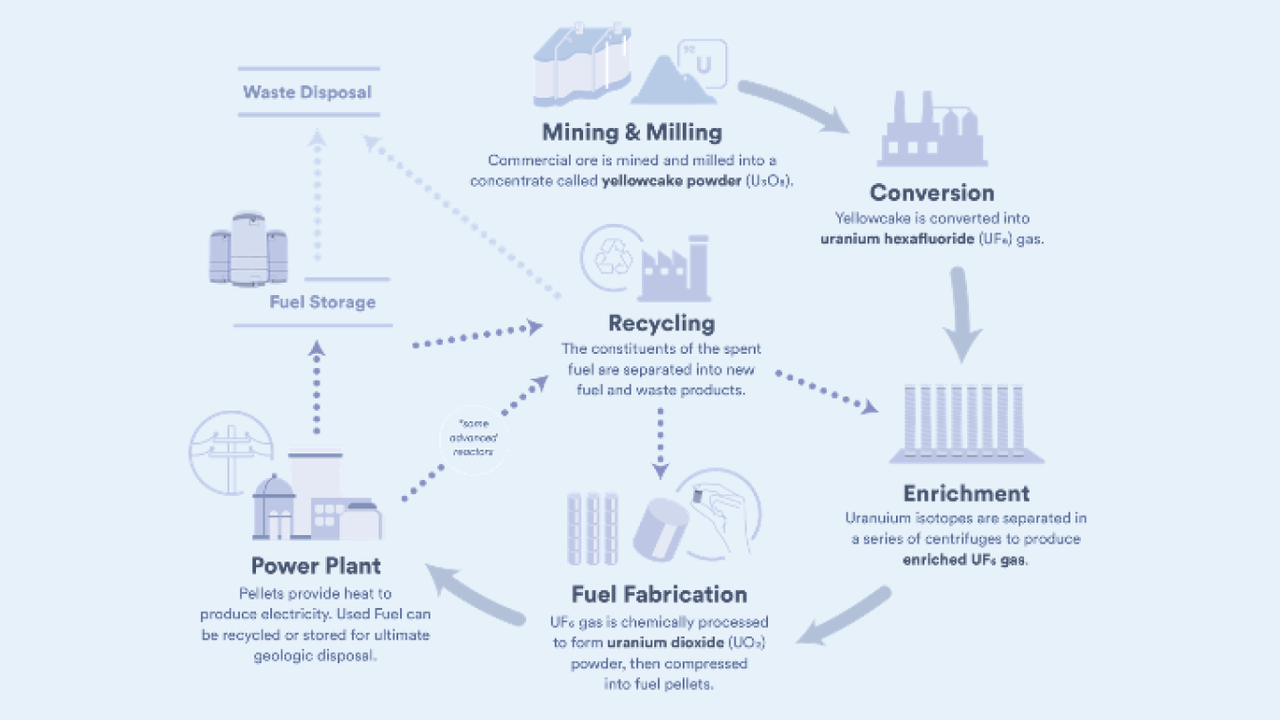
When West Virginia first announced that they had joined the race to host Nuclear Lifecycle Innovation Campuses (NLICs), the central bargain was already clear: nuclear investment comes with responsibility for used fuel.
We’ve covered this concept a couple times now, highlighting states like Texas and New Mexico that back nuclear investment while fighting storage of out-of-state spent fuel.
Now, West Virginia has joined the club of pro-nuclear pretenders.
Governor Patrick Morrisey signed an exploratory agreement with DOE and announced West Virginia's entry as the sixth contender in the first week of September. The governor claimed he and his staff went above and beyond to be considered for an NLIC.
It's not surprising, considering over half the states in the country applied for the program with the knowledge that the campuses could attract up to $50 billion in investment and create nearly 25,000 jobs, each.
The frustrating part is that the expectation to take in used nuclear fuel wasn't some secret buried in the fine print. West Virginia's submitted NLIC proposal made temporary used fuel storage a top priority, alongside research into longer-term disposal. Its September agreement explicitly anticipated addressing out-of-state spent fuel and other radioactive waste.
This all only came to light on September 25th when the Charleston Gazette-Mail reported what the administration had actually proposed, using documents obtained through a public-records request. The sales pitch suddenly had an inconveniently readable paper trail.
Multiple lawmakers, even pro-nuclear Republicans, raised concerns about constituents being blindsided. Delegate Josh Holstein said Boone County's elected representatives had not been informed that the former Hobet mine was among the proposed sites.
By September 27th, Morrisey put out a formal statement declaring a hard flip from his previous posturing: "West Virginia will not be a dumping ground for nuclear waste. Period."
The Gazette got it wrong. This Friday’s story intentionally misrepresented my administration’s energy plans without giving me a chance to address their claims and slanted coverage. Here's the truth: We are pursuing nuclear generation and manufacturing to bring high-paying jobs to West Virginia. Our recent application to the U.S. Department of Energy was part of that effort. We want to build on our existing strengths in coal and natural gas to create more jobs and opportunity, stronger communities, and a higher standard of living. But West Virginia will not be a dumping ground for nuclear waste. Period. I have directed my Office of Energy to ensure that every site identified in our final Nuclear Campus application is considered only for nuclear generation or manufacturing - not as a dump. I will keep fighting for investments that can bring thousands of high-paying jobs to our state. I will also protect West Virginia’s beauty and heritage. We can pursue new opportunities without becoming a dumping ground. More energy jobs and manufacturing jobs are on the table. Nuclear waste dumps are not. We've had enough fake news.
— Governor Patrick Morrisey (@wvgovernor) September 27, 2026
By September 30th, the NLIC hosting deadline, state energy director Nicholas Preservati told DOE West Virginia was "unable to execute the Hosting Agreement and commit fully to its requirements." The letter still surprisingly proclaimed support for a national nuclear renaissance.
It’s just somebody else's responsibility, apparently. As with Texas and New Mexico, the enthusiasm looks considerably thinner once nuclear's less glamorous obligations enter the conversation.
West Virginia has not banned nuclear development, but it has walked away from this attempt to connect the industry's benefits with its lifecycle responsibilities.