




Big Tech Pushes Back On Paying For A Grid That Was Crumbling Long Before AI
When Big Tech signed President Trump's Ratepayer Protection Pledge in March, promising to pay for all the new grid infrastructure upgrades required to service their data centers, we cautioned that "voluntary pledges from trillion-dollar tech giants have a habit of evolving."
Seven months later, the hyperscalers are pushing back on how much of the grid's bill is theirs to pay.
The past week brought a Democratic Senate report and a North Carolina utility settlement, and FERC is expected to rule on whether new data centers must bring their own power.
But before anyone grabs a pitchfork, ask the question none of them answers: how much of this bill is really AI's, and how much is the cost of decades of grid neglect?
On Friday, Senators Elizabeth Warren, Chris Van Hollen and Richard Blumenthal released Power and Profits, the result of a nearly yearlong investigation into seven data center operators including Amazon, Google, Meta and Microsoft. The headline finding is as you would expect: the companies' promises to cover their full costs apply to infrastructure serving only their own facilities, not the full cost of shared grid upgrades their arrival triggers.
The companies broadly opposed the "but-for" standard consumer advocates are pushing, under which a data center pays for any shared upgrade that "would not have been built but for the data center." One hyperscaler told Senate staff that such upgrades often provide a "system benefit which should be shared among all ratepayers."
They also balked at minimum bills, which advocates want set at 80% to 90% of contracted demand whether the power gets used or not. One Big Tech firm called a 90% floor "insanely high." Another called 85% to 90% "unreasonably high," since facilities often don't use all of their projected demand.
Two days earlier, Duke Energy announced a settlement, signed by Amazon, Google, Meta, Microsoft and North Carolina's utility consumer advocate, that it says ensures data centers "will pay upfront for all costs to connect to the grid."
The settlement itself is more nuanced. Data centers prepay the full cost of equipment that serves only them, such as a dedicated substation. For shared transmission upgrades, they post a letter of credit covering the estimated cost, collateral that starts shrinking once the facility consistently draws 75% of its contracted demand.
Whether data centers get directly charged for any slice of those shared costs is punted to a Duke study due a year after approval, and would apply only to future contracts.
Bring Your Own Power... Or Else
Then there's PJM, which wants new data centers of 50 MW or more, starting in June 2027, to bring their own new capacity or be first in line to be cut off when the grid is strained.
PJM asked FERC to sign off by October 12. The Data Center Coalition urged FERC to reject the plan, and Google, which just contracted for 890 MW of new nuclear uprates from Constellation, has warned it would "chill investment."
With Goldman now expecting behind-the-meter power to supply a quarter of all data centers by 2030, more of them may decide that building their own plants beats arguing over the grid's bill.
"But For" What, Exactly?
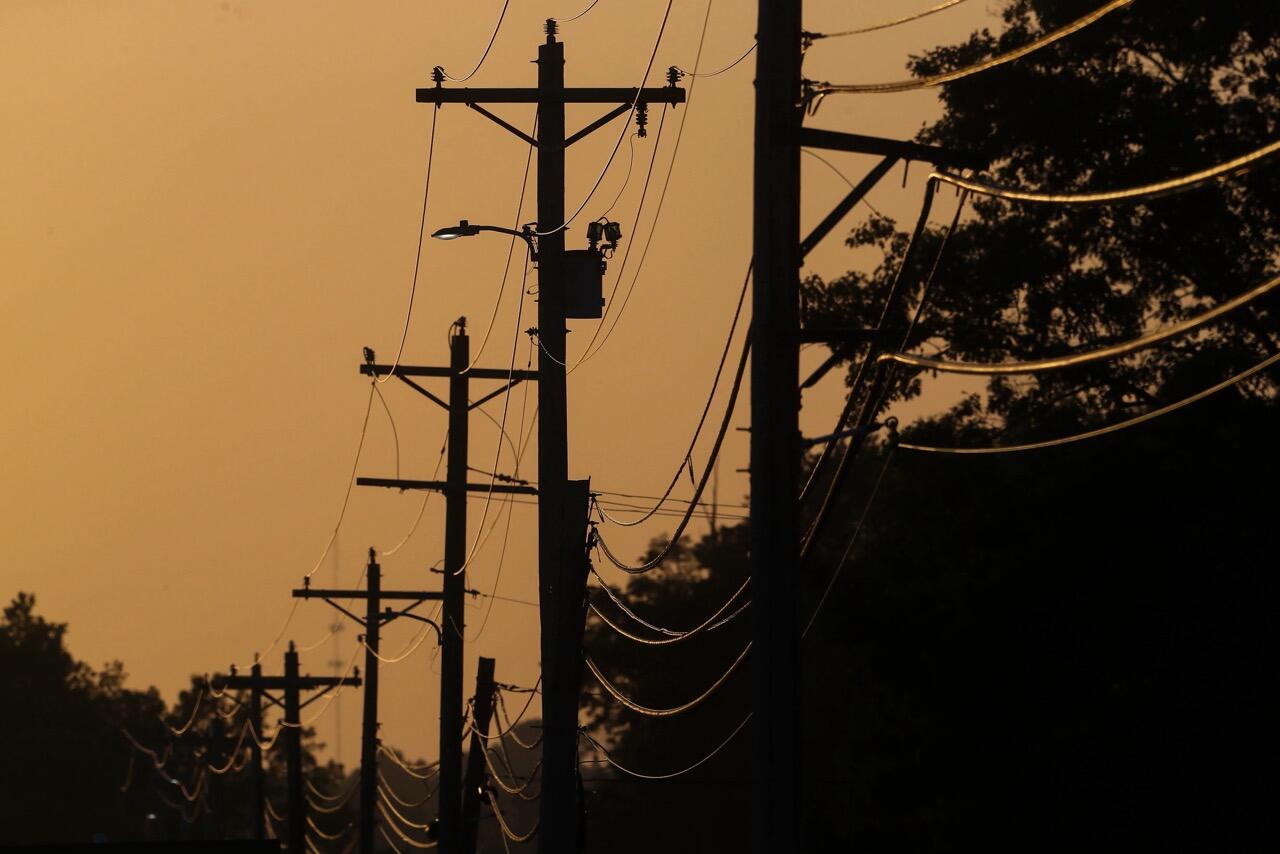
The but-for test only works if everyone agrees on what the grid would have needed anyway, and the senators' own report suggests that is quite a lot. Tucked into its opening pages is an admission that roughly a third of US transmission and half of distribution infrastructure is operating "near or beyond its useful life." Nowhere does it estimate how much of that needed replacing with or without AI.
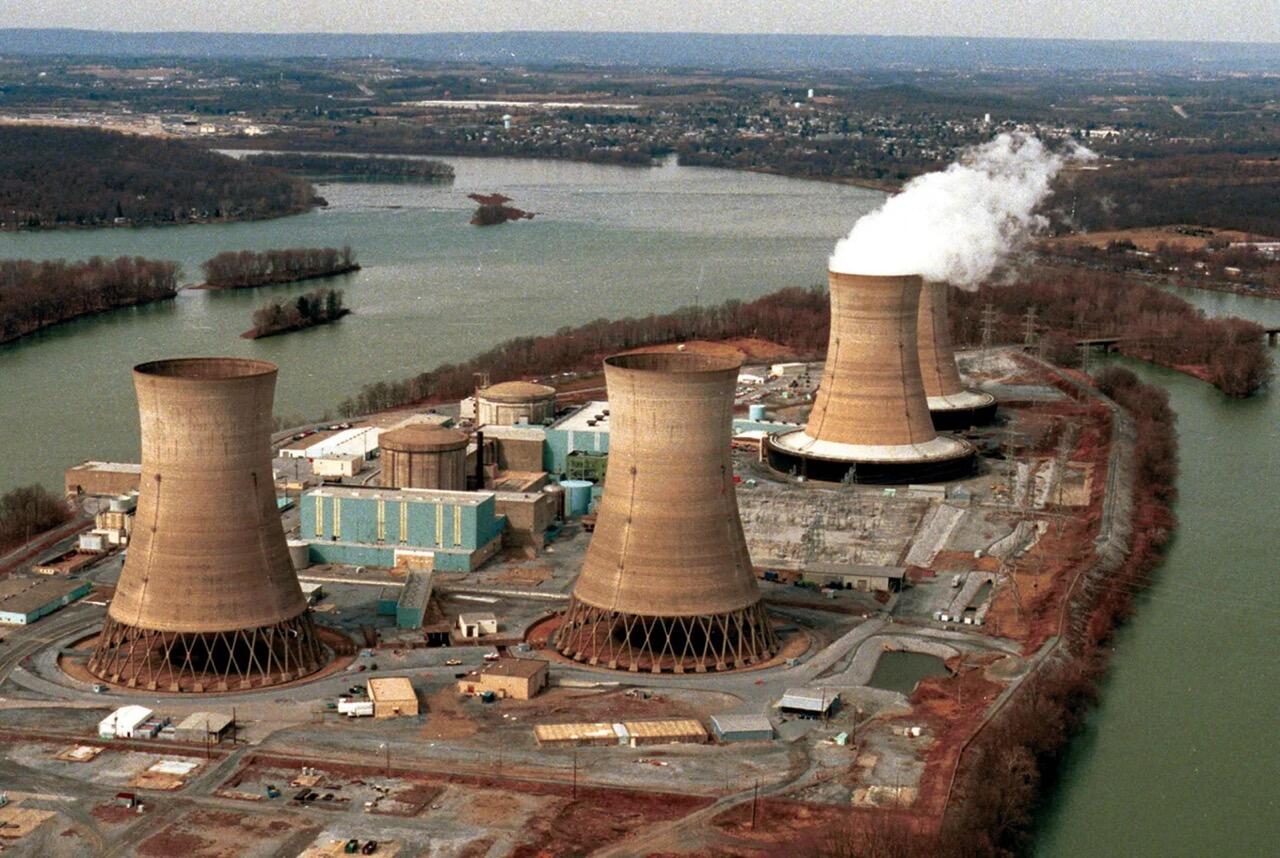
No case makes the point better than Three Mile Island. As we reported in March, Constellation's restart of Unit 1, a reactor that fed this same grid until 2019, ran into a "four-year-tall roadblock" when PJM said full deliverability could take until 2031.
Full output hinges on 765-kV and 500-kV transmission upgrades not expected until December 2030, and Constellation needed a FERC waiver to shift 760 MW of interconnection rights from its Eddystone plant just to try to work around them.
A reactor that can't fully reconnect to a grid it was plugged into seven years ago is a grid problem, not a data center problem.
None of this means the hyperscalers deserve a free ride. They signed the pledge, and they should honor it. But "but for the data center" is doing a lot of heavy lifting for a grid that, by the senators' own account, was already wearing out.
Then again, sending Big Tech the bill is a lot easier than explaining why the grid was falling apart before anyone had heard of ChatGPT.